

YEI recently attended the International Federation on Ageing 17th Conference in Cape Town. In this, the United Nations Decade of Healthy Ageing (2021–2030), we will, over time share key highlights raised at this important event. In the newsletter, we spotlight ageism, a widespread and global issue that is often overlooked but demands action. Each of us has a role to play in challenging age-based discrimination.
In a world obsessed with youth, the value of experience is often overshadowed by the pursuit of what’s new. Ageism, be it subtle or overt, sends a dangerous message: that once you reach a certain age, your voice, ideas, and presence matter less. From the workplace to media representation, older individuals are routinely sidelined, despite their knowledge and contributions. But who decides when someone stops being relevant and why are we so quick to accept it? It’s time to challenge the narrative that ageing is a decline, rather than a different kind of strength.
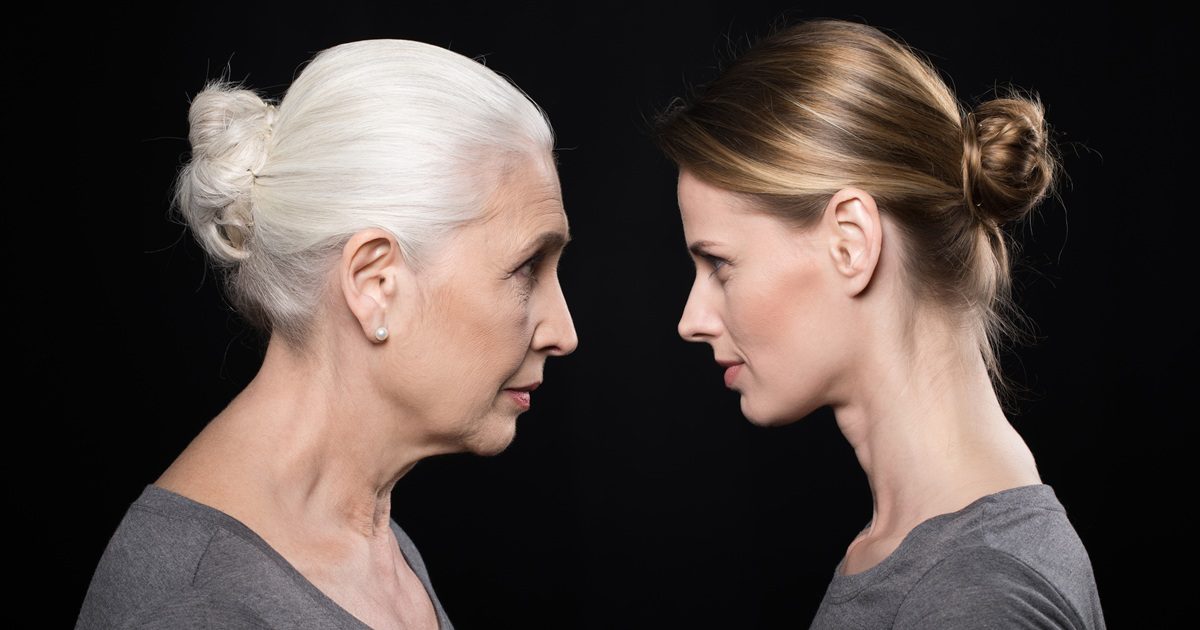
Ageism: Why It Matters and What We Can Do About It
Ageism is more than just a social issue, it’s a barrier to inclusion, dignity, and opportunity for people of all ages. Combating ageism requires a collective effort, and each of us has a role to play in challenging stereotypes, changing mindsets, and promoting respect across generations.
At the recent International Federation on Aging (IFA) 17th Conference, ageism was highlighted as a key issue. Ageism is a form of discrimination based on age. While many forms of prejudice are now openly challenged, ageism is still often ignored. Most of us have either experienced it or practiced it without realising.
What is Ageism?
Ageism is when people are judged, excluded, or treated unfairly because of their age. It often targets older adults, who may be unfairly seen as weak, unproductive, or out of touch. This can lead to social exclusion, lack of opportunities, and sometimes even mistreatment.
How Common Is It?
Dr. Kiran Rabheru, founder of the Canadian Coalition Against Ageism, shared a startling fact. One in two people hold moderate to strong ageist attitudes according to the World Health Organization. Even more troubling, ageism often appears together with other prejudices such as racism or homophobia.
Why Is Ageism Dangerous?
Ageism is not only offensive, it’s also harmful. It can:
• Deny older people access to fair healthcare and job opportunities.
• Increase mental health issues like depression and stress.
• Push people into early retirement, leading to economic loss.
• Strip older adults of dignity and human rights.
As IFA President Gregor Sneddon said: “Every person, regardless of age, is the holder of human rights.” Accepting ageism puts those rights at risk for all of us.
So what can we do about this?
Fighting ageism is not only the responsibility of governments or organisations. It begins with us as individuals. The Canadian Coalition Against Ageism offers a simple but powerful tool called the Three Cs:
1. Catch yourself when you have an age biased thought.
2. Check why you believe it.
3. Change the belief by challenging stereotypes.
Practical Steps to Challenge Ageism
• Watch your words: Avoid phrases such as “too old for that” or “acting young for their age.”
• Seek diverse voices: Include older adults in discussions, workplaces, and media.
• Educate yourself and others: Learn about the value and contributions of older people in society.
• Speak up: If you see someone being dismissed or disrespected because of age, say something.
• Connect across generations: Build relationships with people older and younger than you.
A Note to YEI Readers
As members of the YEI community, many of us know what it feels like to be judged unfairly simply for being older. But we also have a powerful opportunity to lead the way in changing the story. By living active, engaged, and purposeful lives, we challenge the stereotypes about ageing every day. When we share our skills, mentor younger generations, and speak out against unfair treatment, we help shift how society views ageing.
A Call to Action
Ageism affects everyone. If we do not challenge it now, we may one day face the same unfair treatment ourselves. Each of us has the power to reshape how society values age. By changing our own mindset and encouraging others to do the same, we can create a world where everyone, no matter their age, is treated with dignity and respect.
The fight against ageism starts with you. Will you take the first step today? Please share your comments on ageism in the comments section below.
A YEI article

We should be lobbying for retirement at 70, with optional from 65. So many countries have late or no mandated retirement age. So many of us cannot afford to retire at 60 or 63. Never mind the up-skilling and growth of our youngsters who seem to be losing their moral compasses & conscience.
Hi Penny. Couldn’t agree more, although my preference would be to retire retirement altogether. However, retirement should reflect today’s realities. With longer lifespans and financial pressures, making 70 or older the standard (with 65 optional) gives people flexibility and security. At the same time, we must balance this with creating space for younger generations to grow, guided by strong values and mentorship.
The YEI Team