
Women live longer than men. But longer does not automatically mean better. It is time to talk about what nobody is saying out loud.
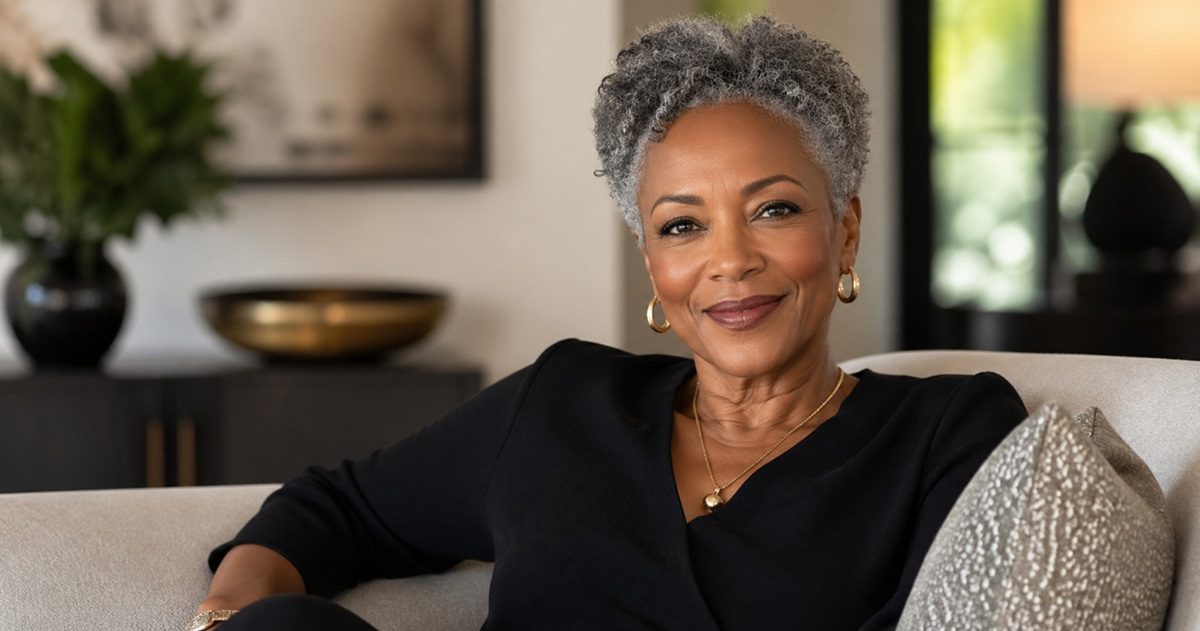
Women over 55 make up the majority of the ageing population.
They live longer, decide more, and carry more of the family load than any other demographic group.
Yet they retire with approximately 30% less savings than men,
are twice as likely to develop Alzheimer’s disease, and spend more years in poor health.
This article examines the real financial cost of female longevity
– and the habits, decisions, and boundaries that protect it.
The Longevity Tax Nobody Talks About
Yes, women live longer. On average, five to six years longer than men. That sounds like a win. But look more closely at what those extra years often contain:
- Women spend roughly twice as many years in poor health compared to men
- Women are twice as likely to develop Alzheimer’s disease
- Women retire with approximately 30% less savings than their male peers
- Women are far more likely to be providing care for others while their own health is declining
Longer life. Less money. More disease. More responsibility. That is not a bonus. That is a penalty. And we need to start calling it what it is.
MIT AgeLab Director Joseph Coughlin has spent years making the case that women over 50 are one of the most powerful and most overlooked forces in the global economy. The future of ageing is female, he argues. But power without preparation is not enough. More years without a strategy is not progress. It is just a longer version of the same problems.
The conversation cannot stop at lifespan.
It has to include healthspan, brainspan, financial security and purpose.
The Financial Decisions That Shape Your Future
Daily habits are financial decisions
Not all financial decisions look like financial decisions. Some look like going for a walk. Choosing what to put on your plate. Booking that check-up you have been putting off.
Given what we know about women’s health trajectory in later life, every investment in your wellbeing today is money you are not spending on avoidable healthcare tomorrow. That is not a wellness message. That is a wealth message.
The bigger calls: work, caregiving, and relocation
Going back to work or stepping back. Taking on care for an ageing parent. Downsizing. Relocating. These decisions shape your financial future in ways that rarely get mapped out properly in advance. If you are absorbing the caregiving load in your family – and the data says you are – the financial cost of that generosity deserves a serious and honest look.
Why family boundaries are a financial strategy
Saying yes to every request from an adult child or extended family member feels like love. And it is. But a woman who depletes her own security to hold everyone else up is not protecting her family. She is putting herself at risk. Clear limits in family support are not selfish. They are essential financial planning. A woman who protects her retirement protects her independence. And her independence protects everyone around her.
The Financial Influence Women Have Always Had
Think about what you have modelled over the years. The budget stretched to cover everything. The decision to save when spending would have been easier. The school fees paid, the rainy day fund quietly built, the family holiday planned months ahead because you knew it would not happen otherwise.
That was financial education. Research is clear: women are more likely than men to shape the long-term saving habits and financial decision-making of the entire family. You are not just a participant in your family economy. You are its architect.
The woman who talks openly about money, who makes considered decisions visibly, who shows that wealth is built through consistency and intention, is giving her family something that outlasts any single gift. But she can only do that if she has protected herself first. Her healthspan. Her finances. Her independence. Her future.
Frequently Asked Questions
Why do women retire with less money than men?
Women retire with approximately 30% less savings than men on average. Contributing factors include career interruptions for caregiving, the gender pay gap, part-time work patterns, and longer life expectancy that stretches retirement funds further.
What is the longevity tax for women?
The longevity tax refers to the financial and health burden women disproportionately face as a result of living longer. It includes higher healthcare costs in later life, greater likelihood of developing Alzheimer’s disease, reduced retirement savings, and a higher probability of providing unpaid care for others during their own later years.
How can women over 55 improve their financial security?
Key strategies include investing in preventive health to reduce future medical costs, making deliberate decisions about work and caregiving, setting clear financial boundaries with family, building or protecting retirement savings, and planning for the full length of a longer-than-average lifespan.
Why is healthspan important for women’s financial planning?
Healthspan – the number of years spent in good health – directly affects financial security. Women who spend more years in poor health face higher out-of-pocket costs, reduced earning capacity, and greater dependence on others. Investing in health at 55 is one of the most effective financial decisions a woman can make.
You have always made it work.
This is the chapter where you make it work for you.
You’ve Earned It celebrates and champions the 55+ generation.
Visit youveearnedit.co.za to join the community.
A YEI opinion piece