

In part two of Lesley’s money-saving gardening series, discover how seeds, tomato slices and recycled household items can help you grow fresh food for next to nothing.
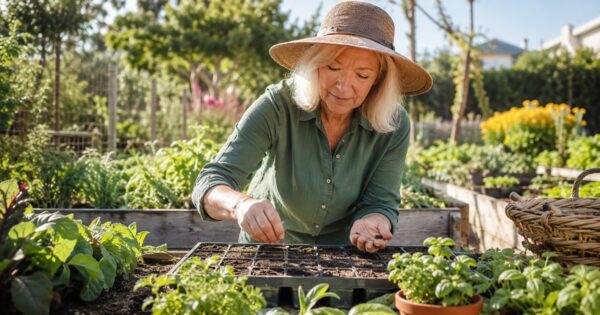
In the first part of this series, I shared some of the ways I regrow fresh food from everyday kitchen scraps. But vegetable offcuts are not the only things in your kitchen with hidden growing potential.Seeds from the food you buy can also become the beginning of something new. Add a little soil, some recycled packaging and a willingness to experiment, and you could soon have a collection of seedlings growing for very little cost.It is a wonderfully satisfying way to garden. You save seeds, reuse things that might otherwise be thrown away and, with a little luck and patience, grow fresh food for your table.
Seeds: Nature’s little freebies
Many fruits and vegetables come with seeds included, yet we often scoop them out or throw them away without giving them a second thought.
Tomatoes, baby tomatoes, peppers, chillies, pumpkins and butternuts all contain seeds that may be worth trying to grow. You can also buy one packet of seeds and use a few at a time, stretching the packet across several planting sessions.
Not every seed will germinate, particularly those collected from shop-bought produce, but that is part of the experiment. If the seeds would otherwise have landed in the bin, you have very little to lose.
Start with a few different varieties and see what enjoys the conditions in your home or garden.
 Make “Garden Sushi” with bubble wrap
One of the cleverest ideas I have discovered is using bubble wrap to start seeds.
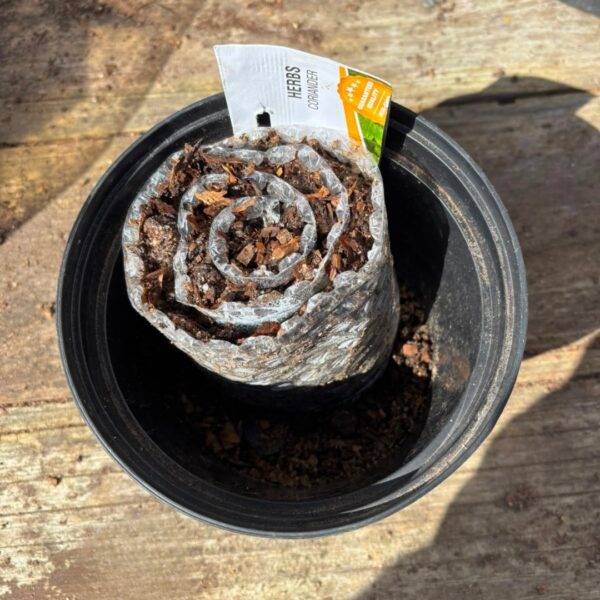
Take a strip of bubble wrap approximately 10cm wide. Spread a thin layer of soil over the bubble wrap and sprinkle your seeds near the top edge. Gently mist the soil with water so that it is damp but not soaking wet.
Carefully roll the strip up like sushi. Do not roll it too tightly, as the seeds need a little space and air.
Place your “garden sushi” upright in a pot with a small amount of soil at the bottom. The pot will support the roll and help keep it in position.
This method uses very little soil and allows you to start several seeds in a relatively small space. It also gives that leftover piece of bubble wrap a useful second life.
Create a mini greenhouse for free
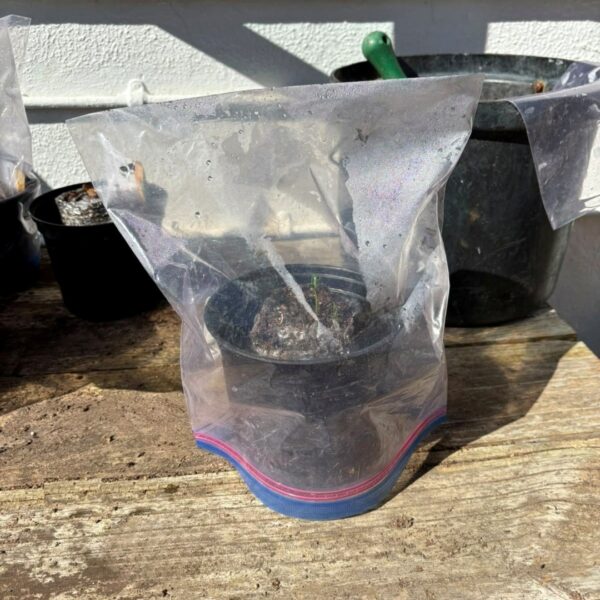 Once your bubble-wrap roll is safely inside its pot, cover the pot with a clear plastic bag. A ziplock bag, bread bag or another clean, transparent bag will work well.
The bag helps trap warmth and moisture, creating a miniature greenhouse around the seeds.
Because the moisture remains inside for longer, you should not need to water as often.
Check the soil regularly, as it should remain lightly damp rather than wet. Too much water may cause the seeds or young roots to rot.
Place your mini greenhouse in a warm, bright position, but avoid leaving it in harsh, direct sunlight where it could become too hot. Open the bag occasionally to allow fresh air to circulate, particularly once the seedlings begin to appear.
When the seedlings emerge, gradually give them more air by opening or removing the bag for longer periods. This helps them adjust before the cover is removed completely.
What can you grow this way?
I have used the bubble-wrap method to start strawberries, cucumbers, Swiss chard, curly parsley and coriander. Part of the fun is trying different seeds and discovering what works best in your conditions. Some seeds may spring to life quickly, while others take their time.
Once the seedlings are large and strong enough to handle, gently unroll your garden sushi. Separate the little plants carefully, trying not to damage their delicate roots.
You can then move them into seedling trays, individual pots or directly into the garden.
If you do not have a traditional vegetable patch, containers can work beautifully. Many herbs and leafy vegetables will grow happily in pots, provided they have suitable soil, enough light and regular watering.
 Turn one tomato into many plants
Tomatoes are one of my favourite things to grow because starting them can be so simple.
Take a ripe tomato from your shopping and cut it into fairly thick slices. Place the slices on top of the soil in a pot, then cover them with a light layer of additional soil.
Water gently and cover the pot with a clear plastic bag to help hold in warmth and moisture.
You can do the same with baby tomatoes. Cut or squeeze a few open, spread the seeds and pulp over the soil and cover them lightly.
Place the pot in a warm, bright spot and keep the soil damp. With luck, little tomato seedlings will begin to appear.
Not every slice or seed will grow, and you may find that the tomatoes produced are not exactly the same as the original fruit. However, the surprise is part of the enjoyment.
Give your seedlings room to grow
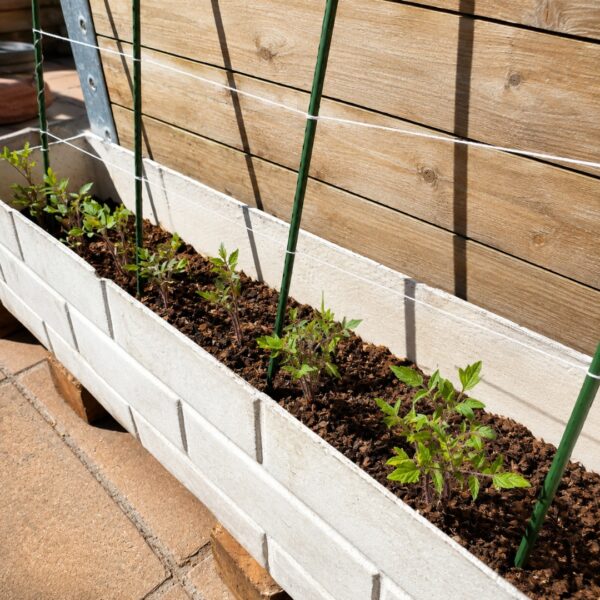
A single tomato slice may produce several seedlings, sometimes growing very close together. Once they have developed a few proper leaves and look sturdy enough to handle, gently separate them. Move each seedling into its own pot or give it enough space in the garden to develop.
Trying to keep every seedling can be tempting, but overcrowding means the plants must compete for water, light and nutrients. Choose the strongest plants and share any healthy extras with friends, neighbours or family.
A small tomato seedling also makes a lovely gift, especially when you can say that it started with a tomato from your own kitchen.
As the plants grow, they may need stakes or another form of support. Tie them loosely so that the stems are not damaged, and place them where they will receive plenty of sunlight.
Too many tomatoes? What a lovely problem!
If your tomato-growing experiment is particularly successful, you may eventually find yourself with more tomatoes than you can eat fresh. That is a lovely problem to have.
Roast or air-fry the tomatoes until soft and full of flavour. Blend them with herbs and seasonings to make a simple homemade tomato sauce or paste for pasta, stews and casseroles.
You can freeze the sauce in small portions, making it easy to take out only what you need for a meal. This helps prevent waste and gives you a convenient supply of homemade flavour.
Extra tomatoes can also be added to soups, salads, relishes and sandwiches, or shared with someone who will enjoy them.
There is something especially rewarding about cooking with produce you have grown yourself, even if it began as one ordinary tomato from the supermarket.
Reuse before you buy
Money-saving gardening is often less about purchasing new equipment and more about noticing what you already have. Before buying seed trays, pots or specialist covers, look around your home. Yoghurt containers, egg boxes, toilet-roll tubes and clean takeaway containers may all be useful for starting seedlings.
Remember to make drainage holes in the bottom of any container holding soil. This allows excess water to escape and helps protect young roots from becoming waterlogged.
Bread bags and other clear plastic bags can become mini-greenhouse covers. Wooden ice-lolly sticks can be used as plant labels. A clean spray bottle is useful for gently misting seeds without washing them out of the soil.
A few small changes can turn everyday household items into useful gardening tools and keep them out of the bin for a little longer.
Expect a few surprises
Gardening from saved seeds is an experiment, not an exact science.
Some seeds will sprout almost immediately. Others may take weeks, and a few may refuse to do anything at all. Occasionally, a mystery plant may appear in a pot where you had forgotten what you planted.
That unpredictability is part of gardening’s charm.
Keep an eye on how much sun and water each plant receives. Make a note of what you planted and when, especially if you have several pots on the go. Even a simple label can prevent weeks of wondering what that enthusiastic little green plant might be.
Experiment, learn and keep growing
You do not need to be an expert gardener to grow something from seed. You simply need to begin. Save a few seeds, reuse a container and try the bubble-wrap method. Plant a tomato slice and watch to see what happens. If something fails, adjust the amount of water, light or warmth and try again.
Every gardening attempt teaches you something. Every seedling that survives feels like a small triumph.
Best of all, these experiments cost very little. They turn everyday food and packaging into possibilities, while giving you the pleasure of watching new life emerge.
That is the joy of gardening. You are always learning, always experimenting and always just one tiny seed away from growing something wonderful.
Article by Lesley, YEI contributor
Next in Lesley’s Money-Saving Garden:
Discover how one potato can produce many more, while old crates and simple planting tricks help stretch your household budget.
Previously in Lesley’s Money-Saving Garden:
Grow it again: Turn kitchen scraps into fresh food
