
Companionship, purpose and joy at every stage of life
Loneliness affects nearly one in four people in later life, but there is heartening news.
One of the simplest and most rewarding ways to enhance quality of life in your 50s, 60s and beyond may come with four legs and a wagging tail.
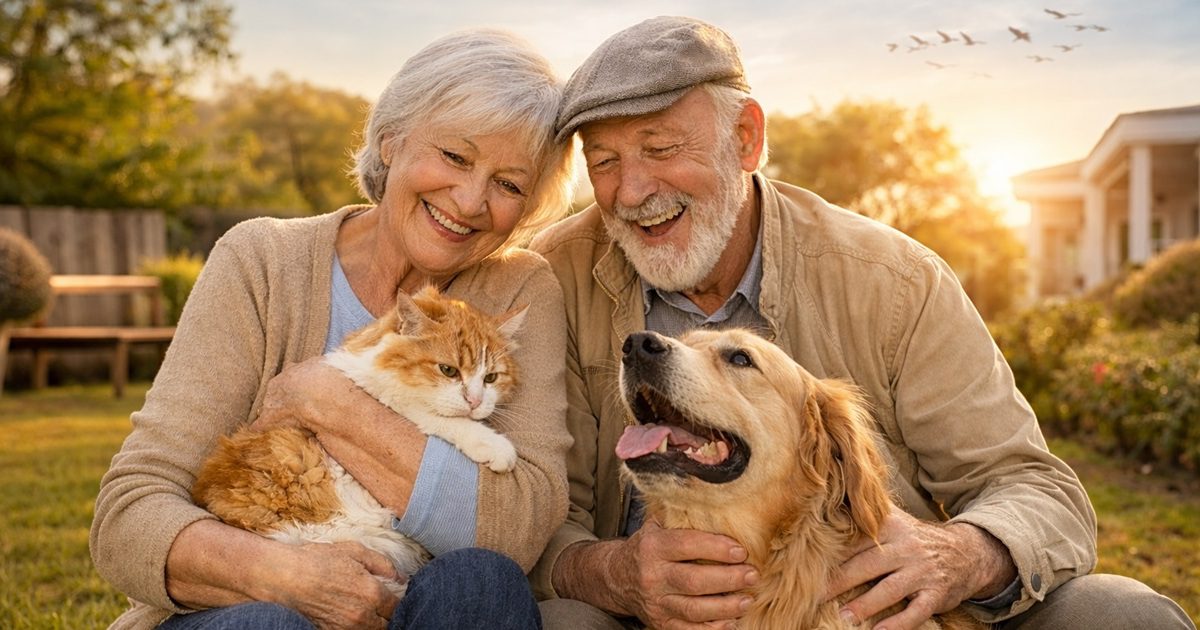
From easing loneliness to improving emotional and physical wellbeing, pets offer companionship that goes far beyond affection. For many 55+ adults, a pet brings structure, comfort and a renewed sense of purpose to everyday life.
Pets and Emotional Wellbeing in Later Life
A recent survey conducted by the University of Michigan highlighted just how powerful the bond between people and their pets can be as we grow older.
The findings revealed that:
• More than 85% of respondents said they would feel significantly lonelier without their pets
• 58% reported improved health since welcoming a pet into their home
Spending time with animals encourages routine, provides companionship and helps combat isolation, all of which play a key role in maintaining wellbeing in later life.
Anne Lowe, 74, credits her dog Pumpkin with helping her move forward after loss. “We are growing old together, which is wonderful. I understand that she too has aches and pains. My husband passed away several years ago and Pumpkin has helped bridge that gap. I have something to come home for and that means so much.”
The Health Benefits of Having a Pet
Pet ownership offers meaningful benefits for people in their 50s, 60s and beyond, supporting both physical and emotional health.
These benefits include:
• Reduced stress and lower blood pressure
• Increased physical activity, particularly for dog owners
• More opportunities for social interaction
• Reduced feelings of loneliness and depression
A psychologist based in New York explains it simply:
“Having a pet helps people in later life focus on something other than physical discomfort, loss or worries about ageing.”
Adoption Makes a Difference, for You and the Pet
While pets enrich our lives, adoption can be life changing for animals too. Many shelter pets are longing for calm, loving homes where they can truly belong.
People in the 55+ community often have the time, patience and stability to offer that kind of care. Adopting an older pet can be especially rewarding, as they are usually already trained, less demanding and deeply appreciative of companionship.
Things to Think About Before Adopting a Pet
Bringing a pet into your life is a joyful decision, but it is also a commitment. Taking time to reflect beforehand helps ensure a happy and lasting match.
• Are you comfortable with change?
• A pet will alter your daily routine with feeding times, walks and vet visits. If you enjoy gentle structure and are open to adapting, pet ownership can be incredibly fulfilling.
• Do you have any physical limitations?
• Dogs need regular walks, which are wonderful for overall health. If mobility is limited, a cat, bird or smaller animal may be a better fit for your lifestyle.
• Consider the age of the pet
• Puppies and kittens require energy, training and constant supervision. An older pet may be the perfect companion, offering calm companionship and established habits. While their time may be shorter, the bond is no less meaningful.
• Match your temperament and energy level
• Spend time with a potential pet before adopting. Look for an animal whose personality and energy suit your pace of life.
• Can you manage the financial commitment?
Pets come with ongoing costs such as food, veterinary care, grooming and medication. It is important to budget realistically before making the commitment.
Pets and Retirement Villages
It is encouraging to know that many retirement villages and lifestyle estates are becoming increasingly pet friendly, recognising the positive impact animals have on residents’ wellbeing. That said, not all facilities allow pets, and those that do may have specific guidelines regarding size, breed or number of animals. Before adopting, it is important to confirm the pet policy of your current or future village to ensure your furry companion will always have a secure home.
Planning Ahead Gives Peace of Mind
Thinking about the future is an important part of responsible pet ownership. Having a back up plan ensures your pet will be cared for if you are hospitalised or need to move to accommodation that does not allow animals. Planning ahead protects both you and your companion.
Where to Find Your New Companion
While breeders are an option, animal shelters are often more affordable and may offer reduced fees for older pets. Shelter staff can also help match you with an animal suited to your lifestyle, increasing the likelihood of a lasting and happy relationship.
Volunteering With A Pet
If full time pet ownership feels like too much, volunteering may be a wonderful alternative. Therapy animals visit retirement homes, hospices and frail care centres, bringing comfort and joy to people who need it most.
These visits offer relief from routine, lift spirits and create moments of connection that are deeply valued.
To learn more, contact Therapy Top Dogs
A Joyful Way to Stay Connected and Engaged
Whether through adoption, fostering or volunteering, pets offer companionship, purpose and emotional connection. For people in their 50s, 60s and beyond, welcoming a pet into your life, in whatever form works for you, can be a deeply enriching experience.
A YEI article