

Could you be living with diabetes without knowing it? Millions of South Africans have the condition, and many remain undiagnosed. Understanding the warning signs, knowing your numbers and making small lifestyle changes could make an enormous difference to your health.
Diabetes is one of South Africa’s most serious health challenges, yet many people still don’t fully understand the condition or the risks involved.
And here’s something worth remembering: diabetes doesn’t always announce itself with obvious symptoms. Sometimes it creeps up quietly, with warning signs we put down to getting older.
We asked Diabetes South Africa, a non-profit organisation that has been educating and supporting South Africans for 57 years, to help us answer some of the most important questions about diabetes. Whether you’re managing diabetes yourself, supporting someone you love, or simply want to protect your health as you get older, this is information worth knowing.
What’s the difference between Type 1 and Type 2 diabetes?
Both types affect how your body uses glucose (sugar) for energy, but they develop differently. Think of insulin as a key that allows glucose to move from your bloodstream into your body’s cells, where it provides energy.
Type 1 diabetes: The body’s immune system attacks the insulin-producing cells in the pancreas. As a result, the body makes little or no insulin. People with Type 1 diabetes need insulin treatment to survive.
Type 2 diabetes: The body becomes less responsive to insulin, and over time, the pancreas may struggle to produce enough insulin to keep blood sugar levels under control. Type 2 is much more common and often develops gradually, particularly in middle and later life.
Could you have diabetes without knowing it?
Absolutely! And that’s one of the biggest concerns. Type 2 diabetes can develop so gradually that people may dismiss the early symptoms as simply part of getting older.
Watch out for:
• Feeling unusually thirsty
• Needing to urinate more frequently, especially at night
• Feeling constantly tired or lacking energy
• Blurred vision
• Unexplained weight loss
• Feeling unusually hungry
• Cuts or wounds that take longer to heal
• Frequent infections
Here’s the catch: Some people with Type 2 diabetes experience very few symptoms. By the time they’re diagnosed, complications may already have developed.
Type 1 symptoms often develop more rapidly and can become severe.
YEI takeaway: Don’t assume constant tiredness or frequent trips to the bathroom are simply signs of ageing. A blood glucose test could provide important answers.
What causes diabetes, and could you be at risk?
There isn’t one single cause of diabetes.
Type 1 is an autoimmune condition involving genetic susceptibility and other factors that are not yet fully understood. It isn’t caused by eating too much sugar or by lifestyle choices.
Type 2 is associated with several risk factors, including:
• A family history of diabetes
• Increasing age
• Being overweight, particularly around the waist
• Limited physical activity
• Certain dietary patterns
• A history of gestational diabetes
• Conditions such as polycystic ovary syndrome (PCOS)
Not everyone with Type 2 diabetes is overweight, and developing diabetes isn’t simply a matter of personal choices.
How serious is South Africa’s diabetes problem?
Very serious indeed. According to information supplied by Diabetes South Africa, an estimated 4.6 million South Africans are living with diabetes, with a substantial number remaining undiagnosed.
The organisation also highlights the devastating impact of diabetes-related complications, including heart disease, strokes, kidney failure and amputations.
Diabetes has been recorded among South Africa’s leading causes of death and is a particularly significant cause of mortality among women. And because complications such as heart attacks and strokes may be recorded as the immediate cause of death, the full impact of diabetes can be difficult to measure.
The encouraging news? Earlier diagnosis and better management can prevent or delay many serious complications.
What exactly is prediabetes, and can you reverse it?
Prediabetes is a warning sign worth taking seriously. It means your blood sugar is higher than normal but hasn’t yet reached the level used to diagnose diabetes.
The good news is that prediabetes doesn’t automatically mean you will develop Type 2 diabetes. Changes such as losing some excess weight, eating a balanced diet and increasing physical activity can significantly reduce your risk.
For many people, blood glucose levels can return to a healthier range.
Prediabetes is generally diagnosed through a fasting glucose test, an HbA1c blood test or an oral glucose tolerance test. Your healthcare professional can explain what your results mean.
YEI takeaway: Think of prediabetes as an early warning light on your dashboard. It’s an opportunity to act before a bigger problem develops.
What can you do to lower your risk of Type 2 diabetes?
You don’t need to overhaul your entire life overnight. Small, sustainable changes can make a meaningful difference.
Move more: Aim for at least 150 minutes of moderate physical activity each week, if your health allows. Walking, swimming, dancing, gardening and cycling all count.
Eat smarter: Include vegetables, fibre-rich foods, whole grains, lean proteins and healthy fats. Limit sugary drinks and highly processed foods.
Manage your weight: If you’re carrying excess weight, even modest weight loss can improve insulin sensitivity.
Know your family history: If diabetes runs in your family, ask your healthcare professional how frequently you should be screened.
Don’t ignore your sleep: Poor sleep and untreated sleep problems can affect blood sugar regulation.
And remember, you don’t have to do everything perfectly. Consistency matters more than perfection.
What’s the difference between high and low blood sugar?
This is one of the most important things to understand, particularly if you or someone in your family is taking medication for diabetes.
Low blood sugar (hypoglycaemia) generally means a glucose reading below 4 mmol/L.
It can happen when someone takes too much insulin or certain diabetes medications, misses a meal, exercises more than usual or drinks alcohol.
Warning signs include:
• Shaking, sweating or paleness
• Sudden hunger
• A racing heartbeat
• Headache or dizziness
• Irritability, confusion or unusual behaviour
• In severe cases, seizures or unconsciousness
High blood sugar (hyperglycaemia) means blood glucose is above the person’s recommended target range.
Symptoms can include:
• Excessive thirst and dry mouth
• Frequent urination
• Tiredness
• Blurred vision
• Slow-healing wounds
• Recurring infections
Very high blood sugar can sometimes cause life-threatening emergencies.
Important: Fruity-smelling breath, persistent vomiting, abdominal pain, deep or difficult breathing, severe dehydration or confusion are emergency warning signs. Seek immediate medical attention.
What should you do if your blood sugar drops too low?
For someone who is awake and able to swallow safely, a commonly recommended approach is the 15-15 rule.
1. Consume approximately 15 grams of fast-acting carbohydrate, such as glucose tablets or an appropriate measured quantity of ordinary sugary drink.
2. Wait 15 minutes.
3. Check your blood glucose again.
4. If it is still below 4 mmol/L, repeat the process.
Once your glucose has recovered, you may need a snack or meal, depending on your treatment plan.
Very important: If someone is unconscious, having a seizure or unable to swallow safely, never give them food or drink by mouth. Call emergency services immediately and administer glucagon if available and someone knows how to use it.
People taking insulin or medication that can cause low blood sugar should have an individual emergency plan from their healthcare team.
What should you do if your blood sugar is too high?
Start by checking your glucose level and following the treatment plan provided by your healthcare professional.
For mild elevations, depending on your circumstances, this may involve:
• Drinking water to stay hydrated
• Taking prescribed medication as directed
• Monitoring your blood glucose
• Checking for ketones if advised, particularly when ill or when readings are very high
• Contacting your healthcare professional if levels remain elevated
Do not take extra insulin or change your medication unless this is part of your prescribed treatment plan.
Exercise can sometimes help lower blood sugar, but it may be unsafe when glucose is very high, ketones are present or you are feeling unwell.
Persistent high readings, vomiting, difficulty breathing, confusion or signs of dehydration require urgent medical assessment.
How often should you check your blood sugar?
There’s no single answer that applies to everyone.
Someone using insulin may need to monitor their blood glucose several times a day or use a continuous glucose monitor.
Someone managing Type 2 diabetes through lifestyle changes or medication that rarely causes low blood sugar may need less frequent testing.
Your healthcare professional will recommend a schedule based on your medication, glucose targets, health needs and circumstances.
As Diabetes South Africa points out, testing isn’t simply about collecting numbers.
Every reading tells you something about how your body responds to food, activity, stress, illness and medication.
The aim is to use that information to manage your diabetes more effectively.
What happens if diabetes isn’t properly managed?
Over time, persistently high blood sugar can damage blood vessels and nerves throughout the body.
Possible complications include:
• Heart disease and strokes
• Kidney disease
• Vision problems and possible sight loss
• Nerve damage, particularly in the feet
• Foot ulcers and, in severe cases, amputations
• Increased risk of infections
• Sexual health problems
This sounds frightening, but there’s an important message here. These complications are not inevitable.
Good glucose management, regular medical check-ups, blood pressure and cholesterol control, foot examinations and eye screening can significantly reduce the risks.
Does diabetes become more common as we get older?
Type 2 diabetes becomes more common with increasing age, although it can affect younger adults and children too.
As we age, changes in muscle mass, physical activity, body composition and insulin sensitivity may contribute to increased risk.
Type 1 diabetes can develop at any age, not only during childhood.
For South Africans aged 55+, knowing your blood glucose status is particularly important, especially if you have a family history or other risk factors.
Why is diabetes such a challenge in South Africa?
The reasons go far beyond individual lifestyle choices. Diabetes South Africa highlights several challenges, including limited access to affordable, nutritious food, low levels of physical activity and the realities of urban living.
For many South Africans, walking outdoors isn’t always safe. Long commutes, financial pressures and the availability of inexpensive processed foods can also make healthy living more difficult.
Access to screening, medication, testing supplies and ongoing healthcare can present additional obstacles.
Tackling diabetes therefore requires more than simply telling people to eat better and exercise more. It requires education, affordable healthcare, early screening and supportive communities.
Where can South Africans find affordable diabetes support?
Living with diabetes can be challenging, particularly when you’re managing medication, testing supplies, dietary changes and ongoing healthcare costs. That’s where Diabetes South Africa (DSA) plays an important role.
For 57 years, this registered non-profit and public benefit organisation has worked to improve diabetes awareness, prevention, early detection and self-management.
DSA is a member of the International Diabetes Federation and is run largely by volunteers. Its national office is in Cape Town, with branches and activities in several parts of South Africa. The organisation offers a range of practical services, including:
Diabetes Community Wellness Groups
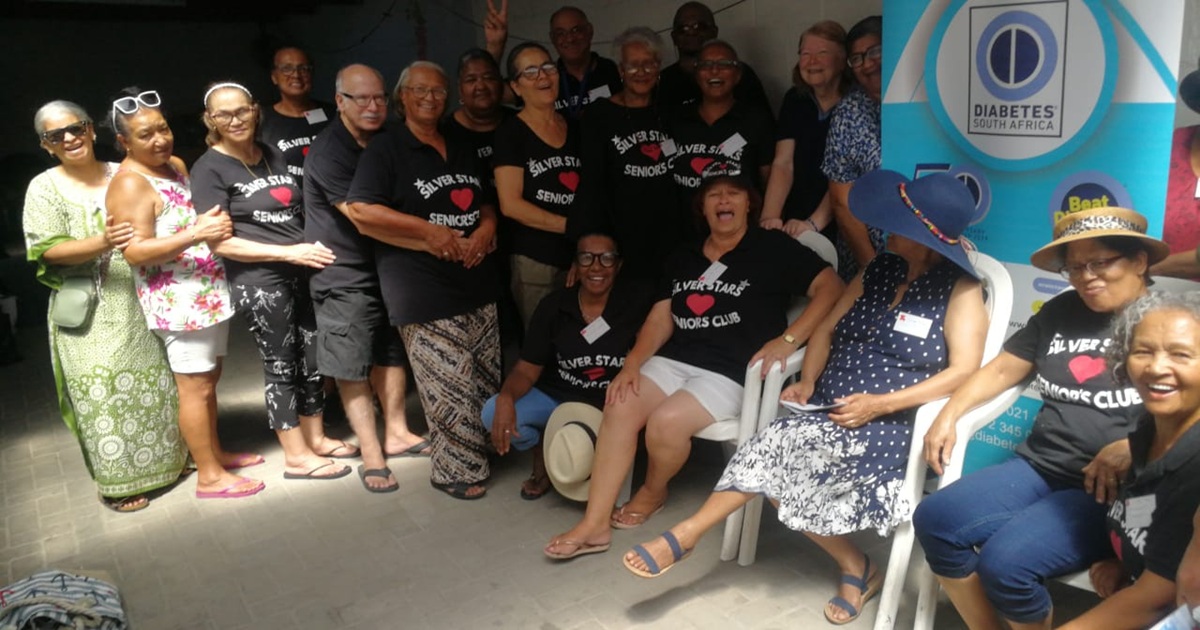
DSA supports more than 40 community wellness groups around the country, where people living with diabetes and their families can share experiences, learn about the condition and receive support.
Screening and awareness programmes
Through community events, workplaces, shopping centres and other venues, DSA helps people discover whether they may be at risk of diabetes.
Education and self-care workshops
These cover important topics such as nutrition, medication, exercise, foot care and preventing complications.
Support for children and families
DSA organises diabetes camps, educational activities and family events to help children and young people living with Type 1 diabetes build confidence and learn to manage their condition.
Training and community outreach
The organisation provides diabetes education to healthcare workers, home-based carers and communities, including underserved areas.
Diabetes Focus magazine
Its quarterly online magazine provides information, advice and practical guidance for people managing diabetes.
What about membership benefits?
Diabetes South Africa offers affordable membership options designed to help people living with diabetes access practical support.
Benefits provided by the organisation may include:
• A free blood glucose meter
• A pair of mohair and bamboo medical socks
• An annual eye screening
• Educational booklets on diabetes management
• Discounts on selected recipe and nutrition guides
• Discounts on MedicAlert stainless steel products
• Information about medical aid options and benefits
• Ongoing educational resources and newsletters
Membership benefits vary and should be confirmed directly with DSA. For more information, visit www.diabetessa.org.za.
How can you help Diabetes South Africa reach more people?
Here’s something many South Africans may not realise. Diabetes South Africa has been serving communities for 57 years, yet much of its work is carried out by volunteers. The organisation operates with limited financial resources, despite the enormous need for diabetes education, screening and support.
Its philosophy is simple: prevention and early intervention are far less costly, both financially and personally, than treating the devastating complications that uncontrolled diabetes can cause. Through screening campaigns, community wellness groups, education programmes and outreach activities, DSA helps people take charge of their health.
But expanding these services requires funding.
Your donation could make a real difference
A contribution to Diabetes South Africa helps support its work in raising awareness, educating communities, encouraging early detection and assisting people already living with diabetes. Whether you’re an individual, a business or an organisation looking to support an important South African health initiative, there are ways to get involved.
Diabetes South Africa is a registered non-profit and public benefit organisation with Section 18A approval. Eligible donations may qualify for a tax deduction, and the organisation can issue a Section 18A tax receipt on request, subject to applicable requirements.
DSA also holds B-BBEE Level 2 Contributor status.
How to donate
Visit www.diabetessa.org.za and select the DONATE button, or use the EFT banking details provided on the organisation’s website.
For further information:
Website: www.diabetessa.org.za
Email: info@diabetessa.org.za
Telephone: 021 447 7718
Office hours: Monday to Thursday, 9am to 3pm; Friday, 10am to 2pm.
Every contribution helps Diabetes South Africa continue its work of education, awareness and support.
Frequently Asked Questions About Diabetes
Can you develop diabetes after 60 or 70?
Yes. Type 2 diabetes can develop at any age and becomes more common as people get older. Regular screening is particularly important if you have additional risk factors.
Does eating too much sugar cause diabetes?
Not directly. Type 1 diabetes is an autoimmune condition. Type 2 develops through a combination of genetic, metabolic and lifestyle factors. Consuming too many sugary foods and drinks can contribute to excess weight and increased Type 2 diabetes risk.
Can you have diabetes even if you’re slim?
Absolutely. Although excess weight is a risk factor for Type 2 diabetes, people of all body shapes and sizes can develop the condition.
Can Type 2 diabetes go away?
Some people achieve Type 2 diabetes remission, meaning their blood glucose remains below the diabetes threshold without glucose-lowering medication for a sustained period. However, remission is not considered a permanent cure, and ongoing monitoring remains important.
Is fruit safe for someone with diabetes?
Yes. Whole fruit can form part of a healthy diabetes eating plan. Portion sizes and the type of fruit matter, and whole fruit is generally preferable to fruit juice.
Should people with diabetes avoid carbohydrates completely?
No. Carbohydrates affect blood glucose, but they don’t need to be eliminated. Choosing fibre-rich carbohydrates, managing portions and balancing meals can help.
Can stress affect blood sugar levels?
Yes. Physical or emotional stress can affect hormones that influence blood glucose. Illness, poor sleep and changes in routine can also affect readings.
How often should I have a diabetes screening test?
That depends on your age, medical history and risk factors. Ask your healthcare professional whether a fasting glucose or HbA1c test is appropriate and how frequently you should be screened.
A final word from YEI
Diabetes is a serious condition, but it doesn’t have to define your life. Knowing your numbers, recognising the warning signs and getting the right support can make a tremendous difference to your health, independence and quality of life. And by supporting organisations such as Diabetes South Africa, we can help more South Africans access the knowledge and assistance they need.
Because prevention starts with awareness, and awareness starts with a conversation.
YEI thanks Diabetes South Africa for sharing its expertise and for the important work it continues to do in communities across the country.
Medical disclaimer: This article is intended for general information and education only and does not replace professional medical advice, diagnosis or treatment. Always consult your healthcare professional regarding diabetes screening, medication and individual management. Seek emergency medical care for severe symptoms.
